
Top Fire Safety Myths Debunked by Evansdale Firefighters


Understanding Fire Safety Myths
Fire safety is a critical topic, yet many myths persist that can put lives at risk. The Evansdale Firefighters are committed to educating the public about fire safety, and debunking these myths is a step towards a safer community. Let's explore some of the most common misconceptions about fire safety.
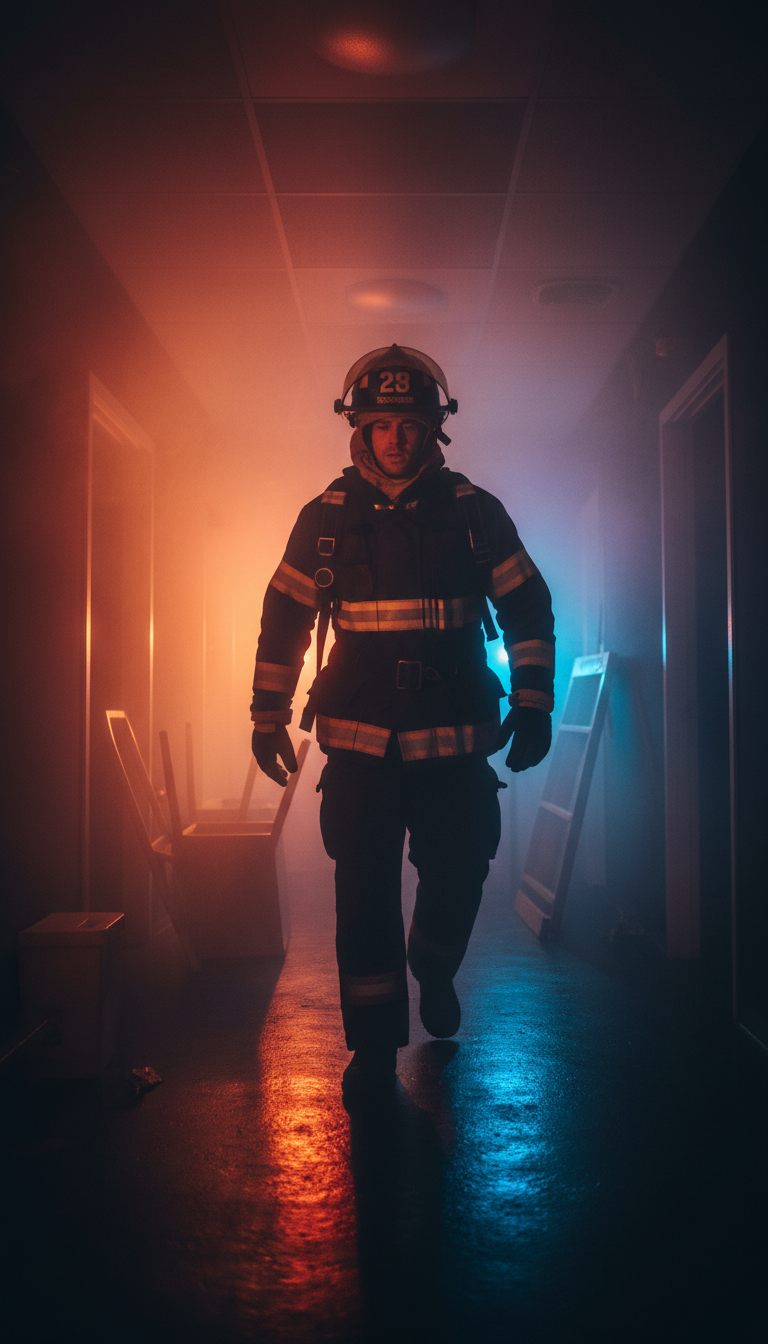
Myth 1: Smoke Alarms Are Enough
Many believe that having smoke alarms is the only necessary precaution against fires. While smoke alarms are essential, they are just one part of a comprehensive fire safety plan. It's crucial to regularly test and maintain them, replace batteries, and ensure they are installed in the right places throughout your home.
In addition to smoke alarms, consider installing carbon monoxide detectors and having a fire extinguisher readily available. Preparing an escape plan and conducting regular fire drills can further enhance your safety.
Myth 2: Newer Homes Are Fireproof
Another common myth is that newer homes, built with modern materials, are less susceptible to fires. While it's true that building codes have improved, no home is completely fireproof. In fact, some modern materials can burn faster and produce toxic smoke.
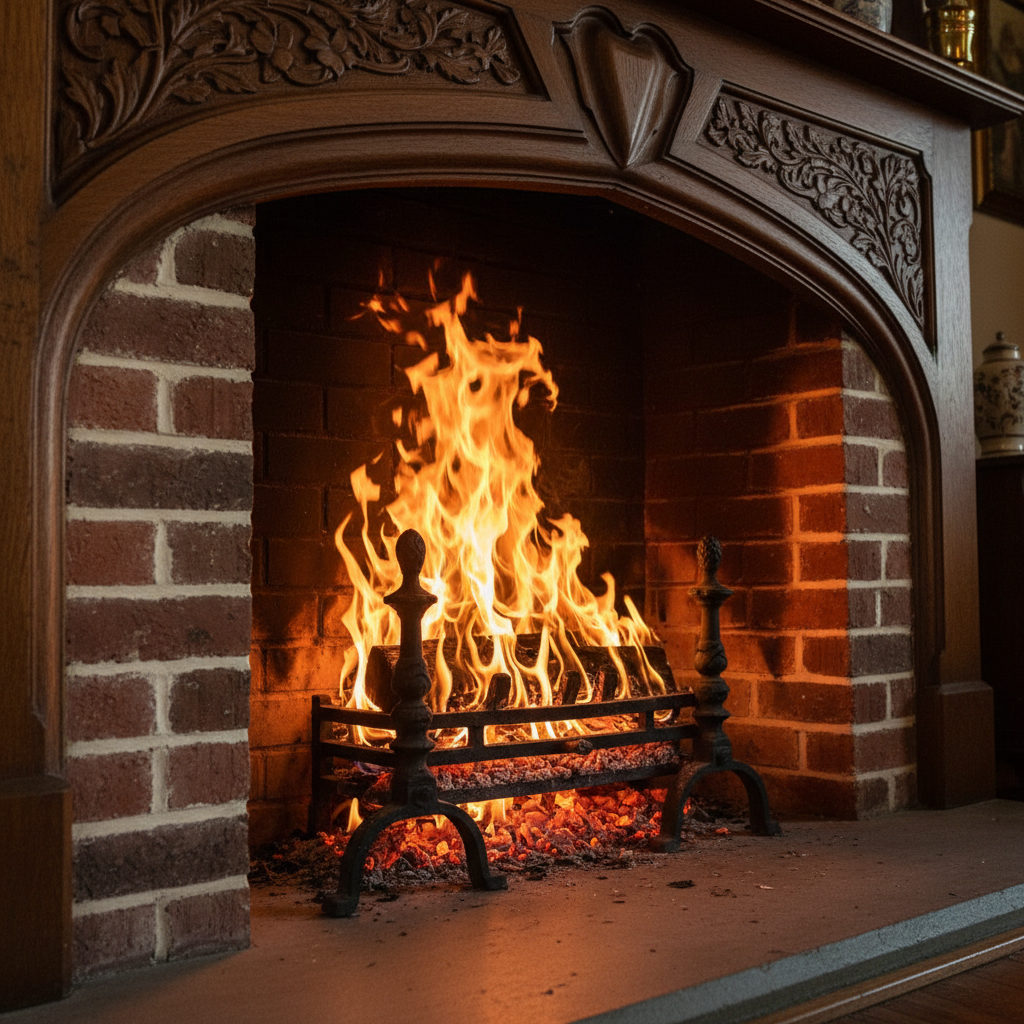
It's vital to be aware of potential fire hazards in any home, regardless of its age. Regular inspections, safe electrical practices, and careful use of appliances can help mitigate risks.
Myth 3: Small Fires Are Easy to Control
Many people underestimate the speed at which a fire can spread, believing that small fires can be easily controlled. In reality, a small flame can quickly escalate into a major fire within minutes. Attempting to extinguish a fire without proper equipment and training can be dangerous.
Evansdale Firefighters recommend evacuating and calling emergency services immediately if a fire breaks out. Your safety should always be the top priority.
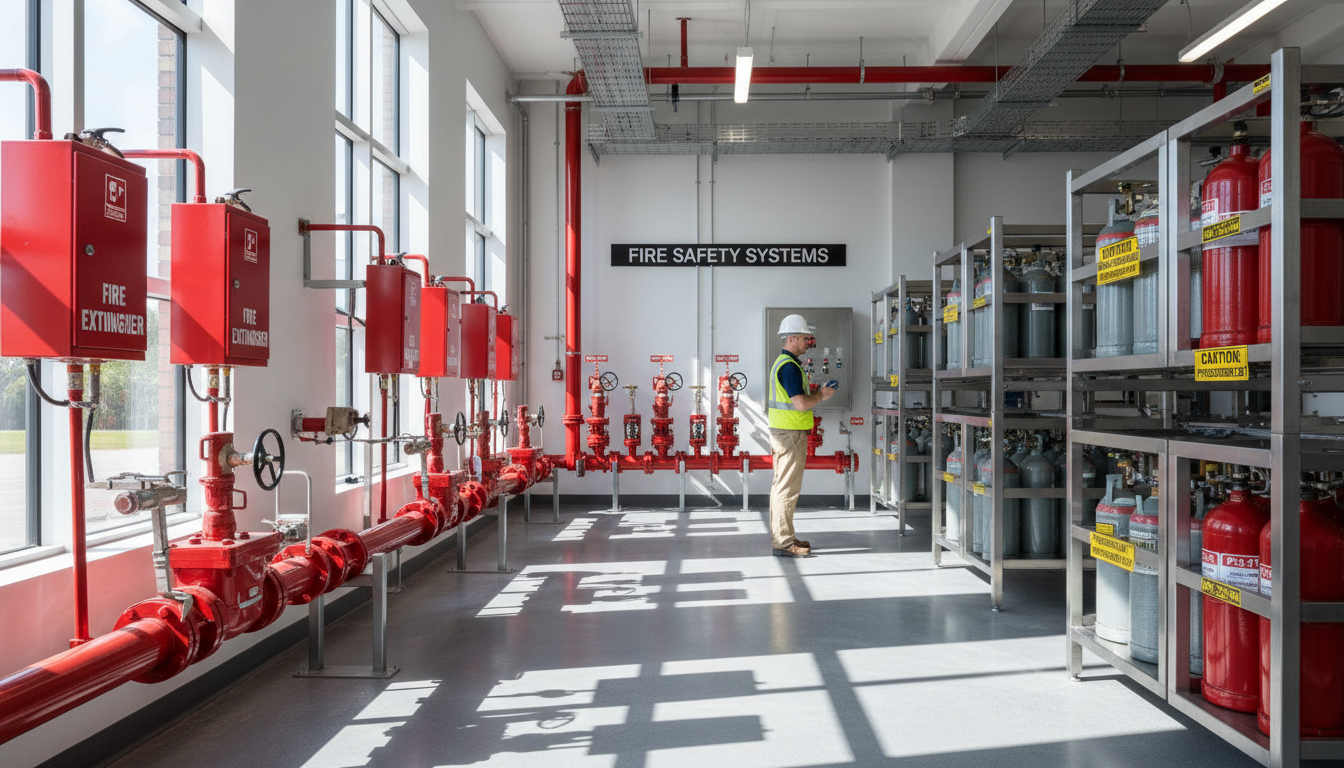
Myth 4: Water Is Always the Best Solution
It's a common misconception that water is the best way to extinguish any fire. However, using water on a grease or electrical fire can be hazardous. Water can cause grease fires to spread and may lead to electrical shocks in electrical fires.
For grease fires, use a lid to smother the flames or a class B fire extinguisher. For electrical fires, cut the power source if possible and use a class C extinguisher.
Conclusion: Stay Informed and Prepared
Fire safety myths can lead to dangerous situations if not addressed. By understanding and debunking these myths, you can take the necessary steps to protect yourself and your loved ones. The Evansdale Firefighters encourage continuous education and preparation to ensure a safe environment for everyone.
Remember, being informed and prepared is the key to effective fire safety. Always prioritize the well-being of yourself and those around you by staying vigilant and proactive.