
The Role of Weather in Fire Safety: Insights from Evansdale Firefighters


The Impact of Weather on Fire Safety
Weather conditions play a pivotal role in fire safety, influencing how fires start, spread, and can be effectively managed. Evansdale firefighters have long recognized the importance of understanding weather patterns to enhance their firefighting strategies. By examining various weather elements, they can better predict fire behavior and implement safety measures.
Temperature and Fire Behavior
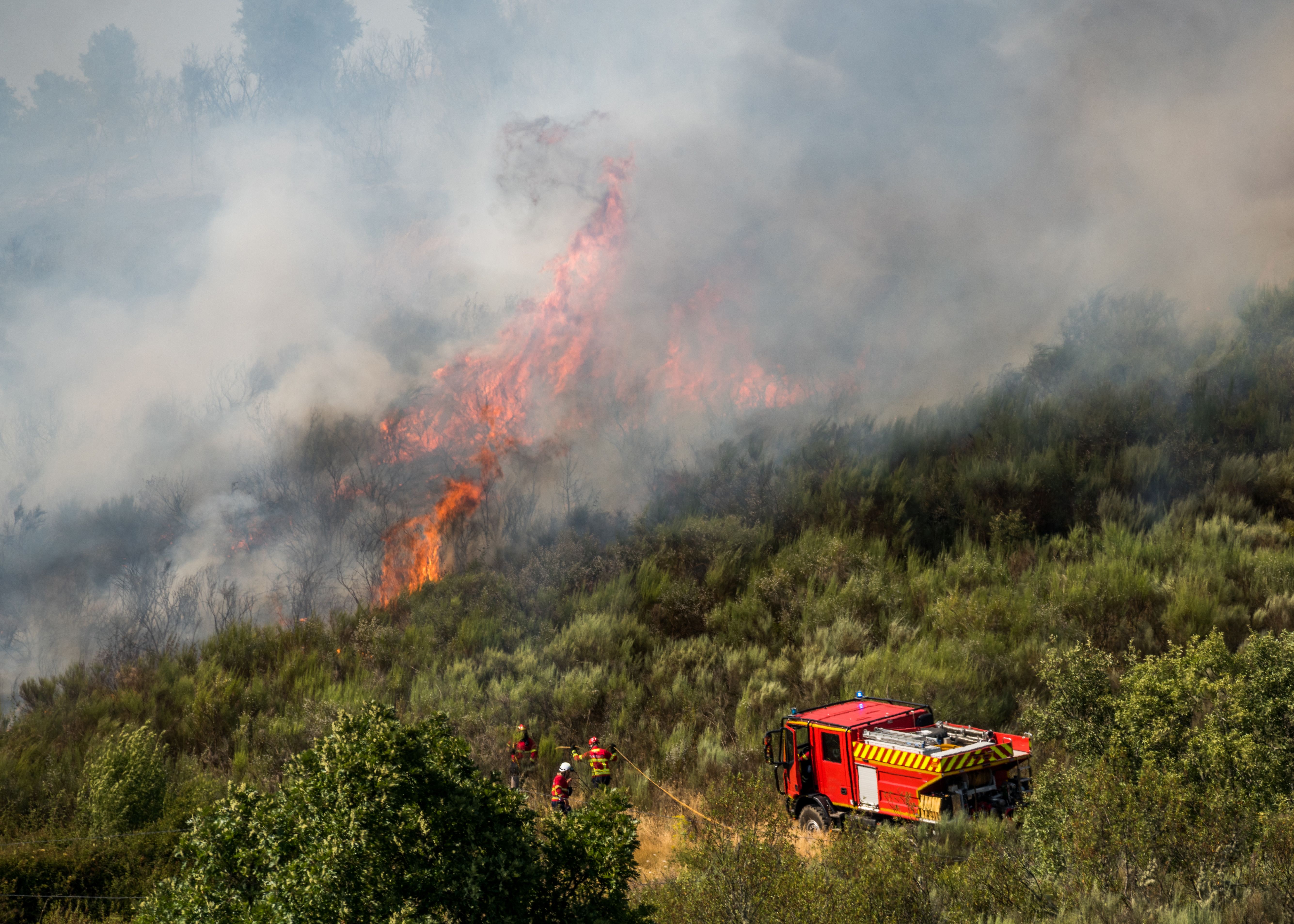
High temperatures can significantly increase the risk of fires. Hot weather dries out vegetation, creating ideal conditions for wildfires. Evansdale firefighters note that during heatwaves, even a small spark can lead to a large blaze. Monitoring temperature trends helps in preparing for potential fire outbreaks.
Conversely, cooler temperatures can aid in controlling fires. The Evansdale team often adjusts their tactics based on the forecasted temperature, deploying resources more effectively to areas at greater risk during hot periods.
Wind: A Critical Factor
Wind is one of the most crucial weather elements affecting fire spread. Strong winds can carry embers over long distances, igniting new fires far from the original source. Evansdale firefighters pay close attention to wind speed and direction to anticipate changes in fire behavior and to strategize containment efforts.

During high-wind events, firefighting becomes more challenging, requiring rapid response and adjustment in tactics to prevent fires from spiraling out of control.
Humidity and Its Effects
Humidity levels are another vital factor in fire safety. Low humidity dries out fuels, making them more flammable. Evansdale firefighters often face increased wildfire risks during dry spells, necessitating heightened vigilance and preparedness.
On the other hand, high humidity can help slow down fire spread by keeping vegetation moist. Understanding these patterns allows firefighters to predict fire behavior more accurately and adapt their strategies accordingly.

Rainfall: A Double-Edged Sword
While rain can suppress fires by dampening fuels, excessive rainfall can lead to challenges such as flooding, which complicates firefighting efforts. Evansdale firefighters balance these dynamics by considering both the short-term and long-term impacts of rainfall on fire-prone areas.
Knowing when rain is expected can help firefighters plan controlled burns and other preventive measures to reduce fire risks during drier periods.
Technological Tools for Weather Monitoring
To stay ahead of weather-related fire risks, Evansdale firefighters utilize advanced technology, including weather forecasting tools and satellite data. These resources provide real-time insights into weather changes, enabling them to make informed decisions quickly.

By leveraging technology, firefighters can better protect communities and enhance overall fire safety, demonstrating the critical role weather plays in their daily operations.
Community Engagement and Preparedness
Evansdale firefighters emphasize the importance of community involvement in fire safety. They often conduct workshops and training sessions to educate residents about the impact of weather on fire risks and how to prepare for various scenarios.
By fostering a well-informed community, firefighters can ensure that everyone is prepared and resilient, minimizing the potential impact of fires regardless of the weather conditions.