
Fire Safety Myths Busted: Insights from Evansdale's Experts


Understanding Common Fire Safety Myths
Fire safety is a critical concern for every home and workplace. However, misconceptions about fire safety can lead to dangerous situations. In this post, we will debunk some common fire safety myths with insights from Evansdale's experts.
Myth 1: Fire Alarms Are Enough
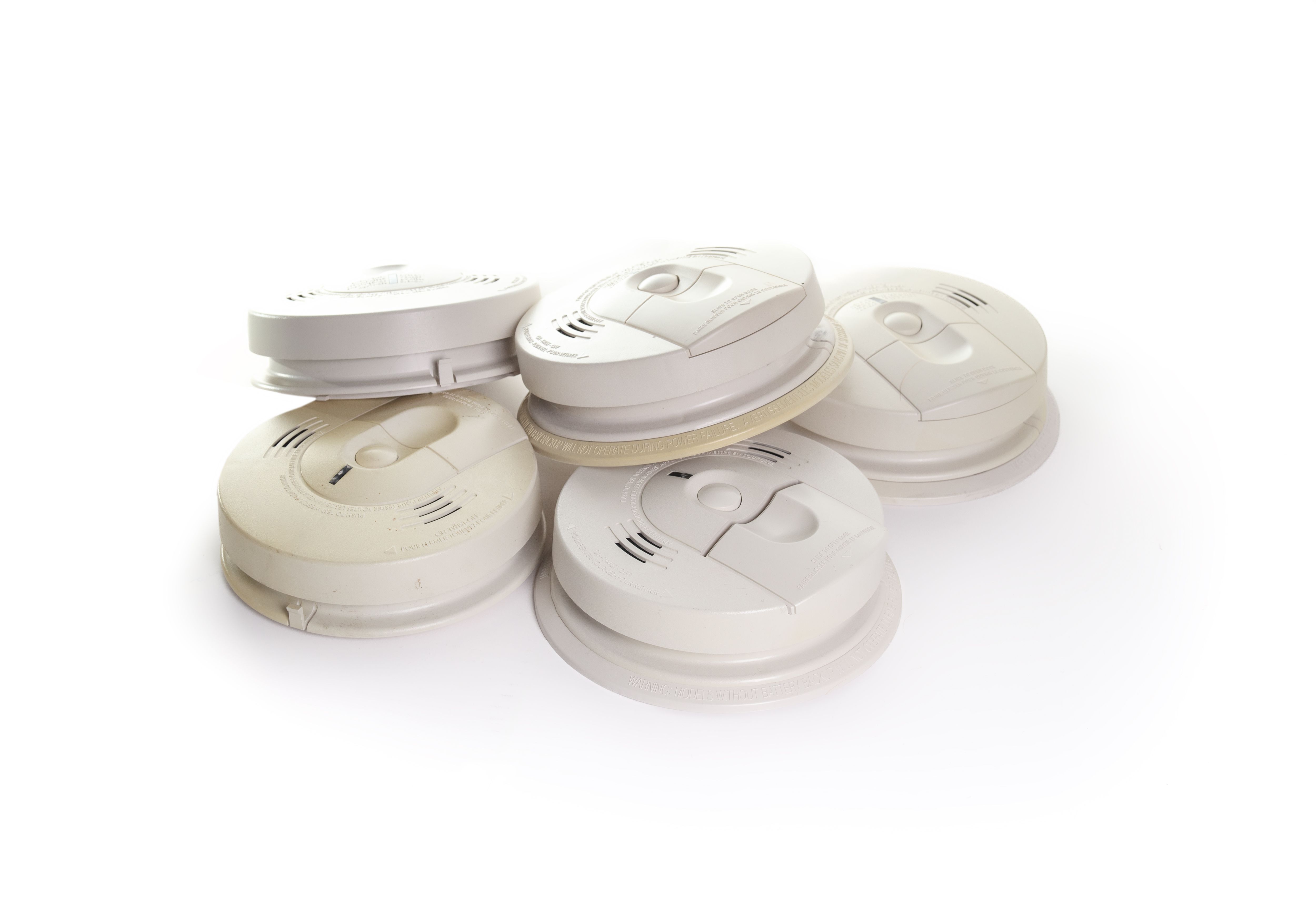
Many believe that simply having fire alarms installed is sufficient for fire safety. While fire alarms are crucial for alerting you to danger, they must be part of a broader safety plan. Regular maintenance, including battery checks, is essential. Experts recommend testing alarms monthly and replacing batteries at least once a year.
Myth 2: Sprinklers Cause More Damage Than Fire
Some worry that sprinkler systems cause excessive water damage, but this is a misconception. Sprinklers activate individually at high temperatures, targeting the fire's source. This targeted approach minimizes damage and can prevent a small fire from spreading.

Misunderstandings About Fire Extinguishers
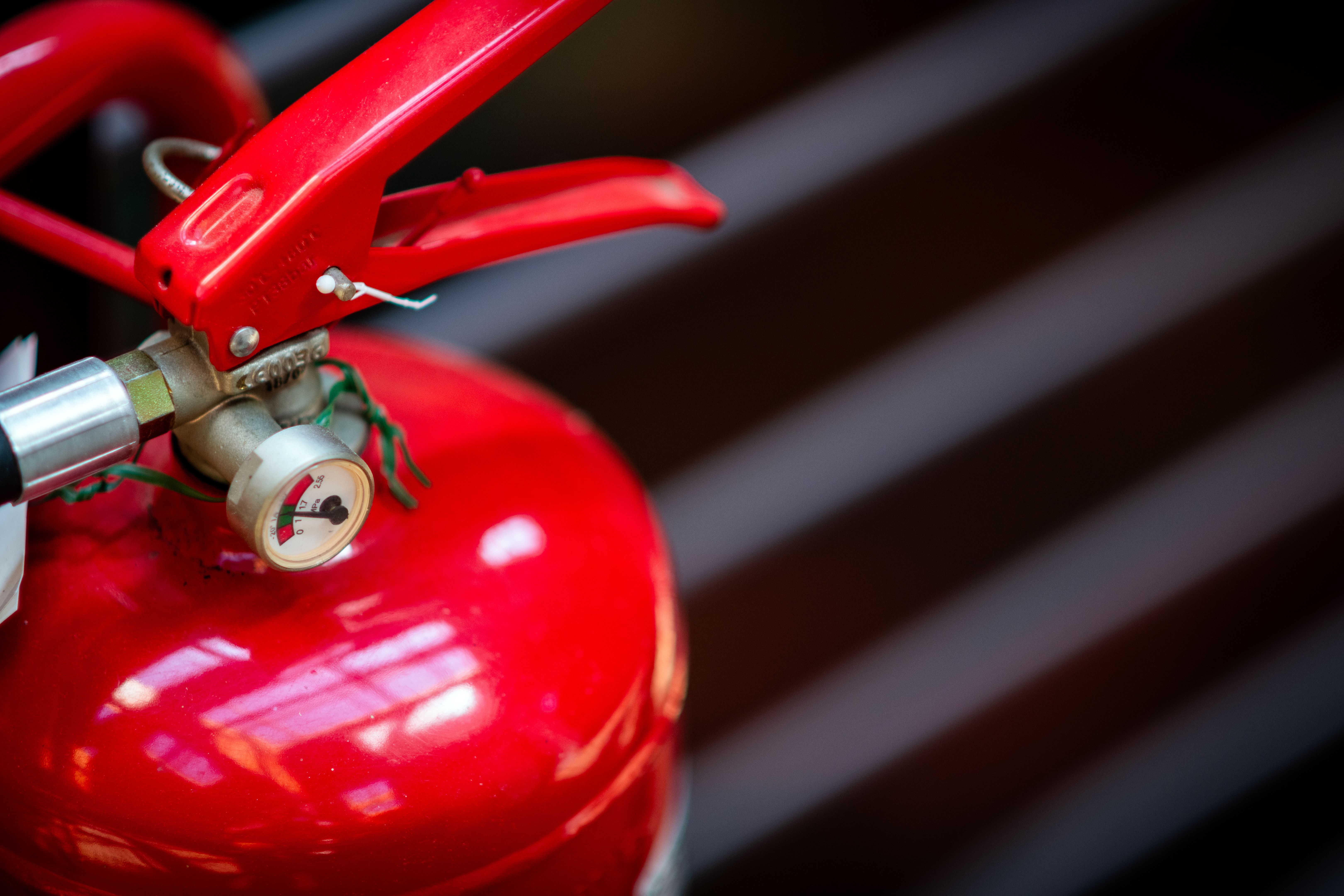
Fire extinguishers are vital for controlling small fires, yet confusion persists about their use. Knowing which type of extinguisher to use is crucial. There are different classes of extinguishers for various types of fires, such as electrical or grease fires. Using the wrong type can exacerbate the situation.
Myth 3: Extinguishers Are Self-Explanatory
People often assume that using a fire extinguisher is straightforward. However, improper use can lead to ineffective fire suppression. The PASS technique (Pull, Aim, Squeeze, Sweep) is a simple method to remember. Regular training and practice are advised to ensure proper usage in an emergency.
Addressing Myths About Fire Safety Practices
Many believe that leaving doors open during a fire helps with evacuation. In reality, closing doors can slow the spread of fire and smoke, providing valuable time for escape. This simple action can significantly increase safety during a fire incident.
Myth 4: Flames Are the Only Danger
While flames are visibly threatening, smoke inhalation is a leading cause of injury in fires. Smoke can incapacitate quickly, underscoring the importance of smoke alarms and evacuation plans. Ensuring all household members are familiar with these plans is crucial for safety.
Final Thoughts on Fire Safety
Dispelling these myths is essential for creating a safer environment. Fire safety involves understanding the risks and preparing adequately. Evansdale's experts stress the importance of regular education and practice, as a well-prepared individual is far more likely to respond effectively in an emergency.
By staying informed and proactive, we can protect our homes and loved ones from the dangers of fire. It's not just about having the right tools, but also about using them correctly and understanding the broader aspects of fire safety.